Lampton Road carpet cleaning guide for homeowners
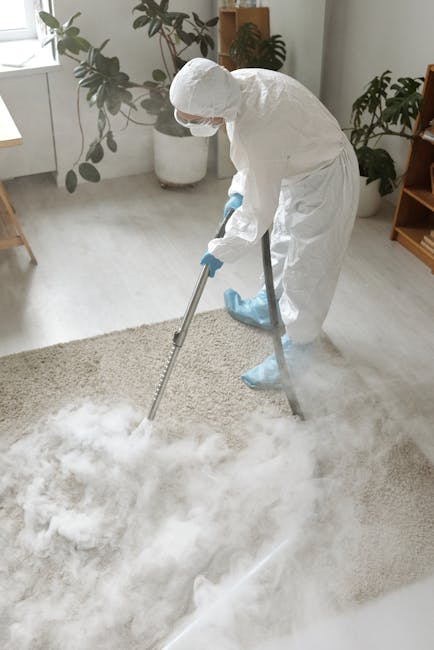
If you live on or near Lampton Road and your carpets are starting to look tired, feel a bit gritty, or smell less than fresh, this guide is for you. A good Lampton Road carpet cleaning guide for homeowners should do more than tell you to "vacuum more often". It should help you understand what actually lifts dirt, what protects your carpet fibres, when a stain needs fast action, and when it makes sense to book professional help.
Homeowners usually want the same three things: cleaner carpets, fewer surprises, and a sensible plan that fits real life. Fair enough. Whether you are dealing with muddy footprints, pet odours, drink spills, or just that dull-looking traffic lane down the hall, the right approach makes a noticeable difference. And yes, sometimes the best result comes from not scrubbing harder. Funny how that works.
This article walks you through the process step by step, explains the main cleaning methods, outlines mistakes to avoid, and covers practical standards to keep in mind. You will also find a simple checklist, a comparison table, and answers to common homeowner questions.
Quick expert summary: Regular vacuuming, fast spot treatment, careful moisture control, and the right cleaning method for the carpet type are the foundations of long-lasting results. If the carpet is delicate, heavily soiled, or carrying persistent odour, a professional approach is usually the safer choice.
Why Lampton Road carpet cleaning guide for homeowners Matters
Carpets do a lot of work in a home. They catch soil at the door, soften footsteps, quiet the room, and make a place feel lived-in rather than cold. The downside is that they collect more than you see. Fine dust, grit, allergens, pet hair, food residue, and the occasional mystery mark all settle down into the fibres over time.
On a busy road like Lampton Road, that can happen faster than you think. Doors open and close, shoes bring in debris, and family life leaves its mark. You might not notice the buildup day to day, but you will notice it when light hits the pile at a low angle and the high-traffic areas look flatter, darker, or a bit shiny.
A practical carpet cleaning plan matters because it protects both appearance and longevity. Dirt particles act like tiny abrasives. Left in place, they can wear fibres down, especially in hallways, stairs, and living rooms where people cross the same patch all the time. Truth be told, many carpets do not "wear out" evenly; they wear out where cleaning was neglected.
This is also about comfort and hygiene. A fresher carpet can make the whole room feel cleaner. That matters in family homes, in homes with pets, and in properties where guests or young children spend time on the floor. If you need more than general advice and want to understand the service side too, the detailed carpet cleaning service overview is a useful place to start.
How Lampton Road carpet cleaning guide for homeowners Works
At home, carpet cleaning usually follows a few core stages: dry soil removal, stain treatment, deep cleaning, and controlled drying. The exact method depends on the carpet fibre, the level of soiling, and whether you are tackling routine upkeep or something more stubborn.
1. Dry soil removal comes first. A thorough vacuum lifts loose dirt, dust, crumbs, and pet hair before they are turned into slurry by moisture. Skipping this step is one of the easiest ways to get disappointing results. The carpet may look wetter and the stain may spread.
2. Pre-treatment softens spots and oily residue. This stage matters because many stains are not just "dirt"; they are a mix of oils, sugars, dyes, and embedded particles. A suitable pre-treatment gives the cleaning process a head start.
3. Deep cleaning is where the carpet fibres are rinsed or agitated so soil can be removed. In home settings, this might mean a machine using hot water extraction, a low-moisture process, or a carefully chosen steam-style treatment depending on the carpet and the goal.
4. Drying must be controlled. Damp carpet left too long can develop odours or create a sticky feel that attracts fresh dirt. Open windows, steady airflow, and not over-wetting the carpet all help here. A bit of patience saves headaches later.
For homeowners who are weighing whether a deeper method is worth it, the service page on steam carpet cleaning is relevant because it explains the type of treatment often used for a more intensive clean. The main thing to remember is that "steam" in everyday conversation can mean different techniques, so it is worth asking how much water is actually used and how drying is managed.
Not every carpet should be treated the same way. Wool, synthetic blends, loop pile, and delicate rugs all behave differently. A careful cleaner looks at the fibre, backing, age, staining, and previous treatments before doing anything dramatic. That cautious mindset is a good sign.
Key Benefits and Practical Advantages
A well-cleaned carpet is not just prettier. It can change how the whole room feels and how easy the home is to maintain.
- Improved appearance: traffic lanes, dulled patches, and spots become far less obvious.
- Better odour control: lingering smells from pets, spills, or general living are reduced rather than covered up.
- Longer carpet life: removing abrasive dirt helps fibres stay in better shape for longer.
- Cleaner indoor feel: less visible dust and debris makes everyday living feel fresher.
- Better stain management: the sooner stains are treated properly, the better the chances of success.
- More comfortable rooms: soft flooring feels better underfoot, especially in busy family homes.
There is also a practical benefit that people sometimes overlook: a cleaner carpet makes it easier to spot new damage. If you know what your carpet really looks like, you notice fresh spills, fraying, or colour changes sooner. That can help you act before a small issue becomes a costly one.
In homes with pets, carpet cleaning also supports better day-to-day living. Pet hair, tracked-in dirt, and accident areas can build up quickly. If that sounds familiar, the dedicated pet stain and odour removal service may be helpful, especially when smells seem to linger no matter how many times you air the room out.
And yes, the result can be surprisingly emotional. A room that felt tired yesterday can feel calm and cared for by evening. It is a small thing, but not really small if you live with it every day.
Who This Is For and When It Makes Sense
This guide is mainly for homeowners who want cleaner carpets without wasting money, time, or effort. But the situations vary.
You probably need a proper carpet cleaning plan if you:
- have children, pets, or both;
- notice traffic lanes or flattened pile;
- have had drink spills, food stains, or muddy shoes;
- can smell stale odours in one room or several;
- are getting ready to move, host guests, or refresh a room after decorating;
- have not deep-cleaned the carpet in a long while;
- have a rug or delicate flooring that needs careful handling.
There are also times when the DIY approach is sensible and times when it is not. For a light refresh, vacuuming plus spot treatment can be enough. For a carpet that has absorbed years of soil, or a stain that has already been scrubbed into the fibres, professional help is usually the calmer route.
In a typical London home, another factor is space. Drying a carpet in a flat or a house with limited ventilation can be awkward. If you cannot keep air moving, or if you need the room back quickly, that changes the decision. No one wants to be tiptoeing around damp carpet for the next half day.
If you are comparing options beyond carpets, it can also make sense to think about the other soft furnishings in the room. A stained carpet beside dusty curtains and worn upholstery will still make the space feel off. Related services such as sofa cleaning and upholstery cleaning are worth considering when a whole room needs a reset.
Step-by-Step Guidance
Here is a practical homeowner-friendly process you can follow before, during, and after a carpet clean. It is straightforward, but the order matters.
- Identify the carpet type. Check whether it is wool, synthetic, a mix, or a rug with a different backing. If you are unsure, treat it cautiously.
- Vacuum slowly and thoroughly. Go over the area in multiple directions. Slow passes pull up more grit than a rushed once-over.
- Test any spot treatment. Try a small hidden area first. Colour transfer or fibre distortion is not what you want on a Sunday morning.
- Blot, don't rub. A clean cloth and gentle pressure are usually better than aggressive scrubbing, which can fray fibres and spread the stain.
- Work from the outside in. For liquid spills, this helps keep the stain from growing wider.
- Use the right amount of moisture. Too much water can soak the backing and leave the carpet smelling damp later.
- Allow proper drying time. Keep the room ventilated and avoid heavy foot traffic until the carpet is dry enough.
- Brush or groom the pile when appropriate. This helps the fibres stand up again and can improve the finished look.
For an embedded stain, treat the issue gently and methodically rather than attacking it in a panic. That one impatient moment with a stiff brush can make a simple mark much harder to remove. It happens. More often than people admit.
If the carpet is badly marked, or if a stain has set in for days, a dedicated stain removal service is often more appropriate than a general clean. The right treatment depends on the stain type, the carpet fibre, and how long it has been sitting there.
For homeowners who prefer a deeper refresh, the broad carpet cleaning service page is useful for understanding what a full clean usually involves and how it differs from simple spot treatment.
Expert Tips for Better Results
Small habits make a big difference. In our experience, the best-looking carpets are not necessarily the ones cleaned most aggressively; they are the ones maintained consistently.
- Vacuum before dirt gets ground in. Once grit settles deep into the pile, it is harder to remove and can wear fibres down faster.
- Deal with spills quickly. Fresh spills are usually much easier than dry, set stains. Even ten minutes can matter.
- Use door mats properly. A mat at the entrance catches a lot more debris than people expect. Not glamorous, but effective.
- Rotate furniture when possible. This spreads wear and reduces obvious traffic lanes.
- Mind moisture indoors. On colder days, a damp carpet can dry slowly. Open windows briefly if the weather allows, or use airflow to help.
- Handle wool with extra care. Wool can be beautiful and durable, but it does not appreciate rough treatment.
A useful rule of thumb: if a carpet starts looking clean on top but still smells musty after treatment, the issue is probably deeper than the surface. That is when odour-focused cleaning or a more thorough extraction approach may be needed.
One more thing. Do not keep going over the same area just because it feels like you should. More passes do not always mean better results. Sometimes they just mean a wetter carpet and more frustration. Very human, very common.
If you are deciding between methods, the rug cleaning page can also be a useful reference for understanding how delicate textile flooring may need a different approach from fitted carpets.
Common Mistakes to Avoid
Most carpet damage during home cleaning does not come from the carpet itself. It comes from haste, guesswork, or too much confidence with a bottle of cleaner.
- Rubbing stains hard: this can push the stain deeper and distort the fibres.
- Using random products: not every household cleaner is safe for carpet fibres or dyes.
- Over-wetting: too much moisture can lead to slow drying, odour, and residue.
- Ignoring fibre type: wool and synthetic carpets behave differently.
- Cleaning only the visible mark: the surrounding area often holds the same dirt, just less visibly.
- Walking on a damp carpet too soon: that can flatten the pile and attract fresh soil.
Another mistake is expecting one quick pass to fix a long-term issue. If the carpet has a dark traffic lane, the built-up residue may need more than a single surface clean. It may need pre-treatment, dwell time, and a more thorough method. Patience is part of the job, even if it is not the exciting part.
For households dealing with heavily used rooms, it can also help to separate the carpet problem from the whole-room problem. Curtains, sofas, mattresses, and upholstery can all hold odours or dust that make the room feel less fresh even after the carpet improves. That is where services like curtain cleaning and mattress cleaning may be worth a look.
Tools, Resources and Recommendations
You do not need a van full of equipment to care for your carpets properly, but the right basic tools make the work much easier.
| Tool or resource | What it helps with | Best use |
|---|---|---|
| Vacuum cleaner with strong suction | Daily or weekly dry soil removal | Traffic areas, stairs, hallways, under furniture edges |
| Microfibre cloths | Spot blotting and gentle stain handling | Fresh spills and light residue |
| Soft-bristle brush | Light pile grooming | After cleaning, if the carpet type allows it |
| White towels or absorbent pads | Moisture removal without dye transfer | Blotting liquid spills safely |
| Professional deep-cleaning service | Embedded dirt, odour, stubborn staining | Seasonal refreshes and difficult jobs |
For homeowners comparing professional options, it is sensible to look at how a provider explains pricing, payment, and safety. A clear pricing and quotes page helps you understand what is included, while payment and security information is useful if you want reassurance about how transactions are handled.
If environmental considerations matter to you, it may also be worth checking the company's recycling and sustainability approach. Not everyone asks about that, but many homeowners care once they have a moment to think it through. Fair enough.
Law, Compliance, Standards and Best Practice
For homeowners, carpet cleaning is usually a practical household task rather than a regulated specialist activity. Still, there are sensible standards to keep in mind, especially if someone is working inside your home.
Best practice usually includes:
- careful handling of cleaning chemicals;
- clear communication about what the treatment can and cannot do;
- attention to slip risk while floors are damp;
- respect for fabrics, furniture, and nearby surfaces;
- appropriate insurance and safe working habits.
If you are using a professional service, it is reasonable to ask about public liability cover, safety practices, and how they protect the property during the clean. That is not being difficult; it is being sensible. The company's insurance and safety information and health and safety policy are useful trust signals for that reason.
It can also help to know how complaints are handled and what terms apply before work starts. A transparent complaints procedure and clear terms and conditions are not glamorous reading, but they do matter when something needs fixing or clarified later.
For readers who value accessibility and clear communication, it is also reassuring when a website provides an accessibility statement. Little things like that can make a service feel more considered and easier to use.
Options, Methods, or Comparison Table
Homeowners usually end up choosing between light DIY upkeep, spot treatment, and professional deep cleaning. Each has its place. The trick is knowing which one fits the problem in front of you.
| Method | Best for | Pros | Watch-outs |
|---|---|---|---|
| Regular vacuuming | Ongoing maintenance | Cheap, easy, protects fibres | Won't remove deep stains or odours |
| Spot cleaning at home | Fresh spills and minor marks | Fast, targeted, low cost | Can spread stains if done badly |
| Low-moisture cleaning | Light refreshes and quicker drying | Convenient, often less disruptive | May not be enough for heavy soil |
| Deep extraction or steam-style cleaning | Heavily used carpets and stubborn soil | More thorough, better for embedded dirt | Needs proper drying and careful setup |
There is no single "best" method for every home. A hallway carpet in a busy family house is a different job from a bedroom rug that just needs a seasonal refresh. If you are unsure, a professional can usually advise without overcomplicating it.
And if the main problem is not the carpet alone but the whole room feeling a bit tired, consider whether related soft furnishing cleaning might be more cost-effective as part of the same visit. A room can look clean on paper and still not feel right. You know the feeling.
Case Study or Real-World Example
Imagine a typical two-bedroom home off Lampton Road. The hallway carpet is showing a dark walking line, the living room has a faint drink mark near the sofa, and there is a pet smell that becomes more obvious when the heating is on. Nothing dramatic. Just the usual build-up that creeps in over time.
The homeowner starts with a careful vacuum, then spots the drink mark but makes the classic mistake of rubbing it. The stain softens, then spreads a little wider. Not disastrous, but not ideal either. After that, they pause, blot the area, and decide to tackle the room more systematically rather than making it worse.
A better approach would have been to separate the problems: vacuum thoroughly, treat the spot gently, and use a carpet clean that addresses the embedded soil and odour together. In a case like this, the improvement usually comes from the combination of steps rather than one dramatic treatment. The hallway becomes brighter, the room smells fresher, and the carpet pile stands up more evenly after drying.
This is the kind of real-world result homeowners are usually after. Not perfection. Just a room that feels cared for again. That is enough, honestly, and often more than enough.
Practical Checklist
Use this before you start a home clean or before you book a professional service.
- Identify the carpet fibre and any fragile areas.
- Vacuum the room thoroughly before applying moisture.
- Test any cleaner on a hidden patch first.
- Blot spills gently rather than scrubbing them.
- Use the smallest amount of product that can do the job.
- Keep windows open or airflow moving during drying where possible.
- Protect nearby furniture and edges from overspray.
- Avoid stepping on damp carpet until it is properly dry.
- Check whether the problem is just a stain, or a deeper odour issue too.
- Consider professional cleaning for heavy soil, pet accidents, or delicate fibres.
Practical takeaway: If the carpet is visibly dirty, smells stale, or has a stain that keeps returning, a deeper clean is usually the better investment. If the issue is light surface dust, regular maintenance may be all you need for now.
Conclusion
The best Lampton Road carpet cleaning guide for homeowners is one that keeps things realistic. Clean carpets are not about chasing perfection; they are about maintaining a home that feels comfortable, fresh, and cared for. Start with proper vacuuming, deal with spills quickly, respect the carpet fibre, and choose the right level of cleaning for the problem in front of you.
That approach saves money, reduces stress, and gives you a better finish. It also helps you avoid the annoying cycle of cleaning a stain badly, making it worse, and then spending twice as long fixing it. We have all seen that happen.
If you want to go beyond routine upkeep and get a more thorough result, compare the service details, safety information, and pricing options first so you can make a confident choice. A little preparation goes a long way, and a cleaner carpet really can change how a home feels on an ordinary evening.
Get a free quote today and see how much you can save.
Sometimes the simplest home improvements are the most satisfying. Fresh carpet underfoot, a cleaner room, and a bit of peace of mind. Hard to beat that, really.
Frequently Asked Questions
How often should homeowners clean carpets on Lampton Road?
For most homes, regular vacuuming should happen weekly, or more often in busy households. Deep cleaning is usually needed less frequently, but high-traffic rooms, homes with pets, and homes with children often benefit from a more proactive schedule.
What is the best carpet cleaning method for a family home?
That depends on the carpet type and the level of soiling. For general deep cleaning, a thorough extraction method is often effective. For lighter refreshes, low-moisture approaches can be practical. The key is matching the method to the carpet, not the other way around.
Can I clean wool carpet myself?
You can, but wool needs careful handling. Use gentle products, avoid over-wetting, and test any cleaner first. If the wool carpet is expensive, delicate, or badly stained, professional cleaning is usually the safer choice.
Why does my carpet smell after cleaning?
That usually means moisture, residue, or a deeper odour source has not been dealt with properly. It may be trapped under the surface or in the underlay. Good drying and correct treatment are essential. If the smell remains, the issue may need a more targeted approach.
How do I remove a fresh coffee or tea stain from carpet?
Blot it immediately with a clean cloth, working from the outside inward. Avoid rubbing. Use a suitable carpet-safe treatment only after testing a hidden area. If the stain has already set, it may need professional stain removal.
Is steam cleaning safe for all carpets?
No. The phrase "steam cleaning" is used loosely, and not every carpet can handle the same level of heat or moisture. Delicate fibres, some rugs, and certain backings need a more careful method. Always check compatibility first.
How long does it take for carpets to dry?
Drying time depends on moisture levels, room ventilation, carpet type, and weather. Some carpets dry fairly quickly, while others take longer. The safest approach is to allow proper airflow and avoid heavy foot traffic until the carpet is dry to the touch.
What if my carpet stain keeps coming back?
That is often a sign that the stain has soaked deeper than the surface. Liquid can travel into the underlay and then wick back up as the carpet dries. A surface clean alone may not solve it. A deeper treatment may be needed.
Do I need professional carpet cleaning if I vacuum regularly?
Vacuuming is essential, but it does not remove everything. Fine soil, residue, and old spills can remain deep in the pile. If the carpet looks tired, feels sticky, or smells stale, a professional clean can make a noticeable difference.
How do I choose a carpet cleaning company?
Look for clear information about methods, pricing, insurance, safety, and what is included. A trustworthy provider should explain the process plainly and not oversell miracles. Honest advice is usually a good sign.
Can carpet cleaning help with pet odours?
Yes, especially when the odour is coming from the carpet fibres or surface residue. If the smell is deep in the backing or underlay, the job is more complex. In those cases, a specialist pet stain and odour treatment is often the better route.
What should I do before a cleaner arrives?
Move small items, clear fragile objects, and vacuum if advised. It also helps to point out problem areas, stains, or pet accidents so the cleaner can focus on them. A few minutes of prep can improve the result quite a lot.