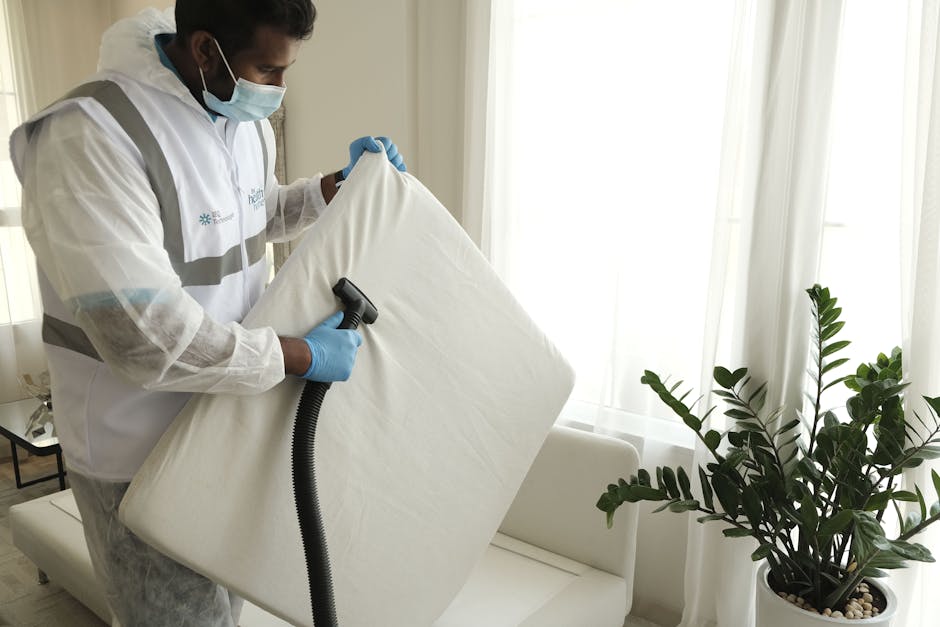
Lampton Park Mattress Cleaning and Allergen Removal Guide
If your mattress feels clean on the surface but still leaves you waking up stuffy, itchy, or oddly uneasy, you are not imagining it. A proper Lampton Park mattress cleaning and allergen removal guide goes beyond a quick vacuum or a spritz of fabric spray. It helps you deal with the unseen build-up inside the bed: dust, skin flakes, sweat residue, odours, and the kind of allergens that can make a bedroom feel less like a place to rest and more like a trap for every sneeze in the house.
This guide walks you through what mattress cleaning really involves, why allergen removal matters, how professionals and homeowners approach the job, and what to avoid if you want a genuinely fresher sleeping space. It is practical, local, and written for real life. Because let's face it, mattresses are one of those things we all use every day and barely think about until they start causing problems.
Table of Contents
- Why Lampton Park mattress cleaning and allergen removal guide Matters
- How Lampton Park mattress cleaning and allergen removal guide Works
- Key Benefits and Practical Advantages
- Who This Is For and When It Makes Sense
- Step-by-Step Guidance
- Expert Tips for Better Results
- Common Mistakes to Avoid
- Tools, Resources and Recommendations
- Law, Compliance, Standards, or Best Practice
- Options, Methods, or Comparison Table
- Case Study or Real-World Example
- Practical Checklist
- Conclusion
- Frequently Asked Questions
Why Lampton Park mattress cleaning and allergen removal guide Matters
A mattress is not just a soft place to sleep. It is also a textile surface that collects a surprising amount of everyday debris. Over time, that can include dust mites, dead skin cells, body oils, perspiration, pet dander, pollen carried in from outside, and spill marks that sink deeper than you would expect. Even if the bed looks fine, the build-up can affect comfort, smell, and sometimes the overall feel of the room.
For many people in Lampton Park, the trigger is simple: you notice your mattress feels warmer, smells stale, or seems to aggravate your nose in the morning. That is often the moment they realise surface cleaning is not enough. A deep mattress clean, combined with allergen reduction, is really about restoring the sleep environment, not just making the bed look tidy.
There is also a practical angle. If you keep ignoring the signs, stains can set, odours can become stubborn, and the mattress may wear unevenly. A well-planned clean can help extend the usable life of the mattress, which, to be fair, is the kind of boring but useful maintenance most of us would rather delay. Still, your back and your sinuses will probably notice the difference.
Expert summary: Mattress cleaning is most effective when it targets both visible dirt and the hidden allergens that live deeper in the fibres. That means vacuuming, careful spot treatment, moisture control, and a sensible follow-up routine.
How Lampton Park mattress cleaning and allergen removal guide Works
There is no single magic method. Good mattress cleaning usually combines a few techniques depending on the fabric, the type of stain, and how sensitive the sleeper is to allergens. The goal is to loosen, lift, and remove contamination without soaking the mattress or damaging its structure.
Most professional approaches begin with inspection. This identifies fabric type, visible stains, odours, and any areas that need special handling. From there, the mattress is usually vacuumed thoroughly, especially along seams, tufts, and edges where dust and debris settle.
Next comes targeted treatment. If there are sweat marks, food spills, urine, or pet-related contamination, a specialist stain removal step may be used. For allergen reduction, the process usually focuses on removing particles rather than just masking them. In many cases, controlled hot-water extraction or low-moisture cleaning may be used, depending on the mattress construction and drying needs. Steam can help in some situations, but it is not right for every mattress, and that distinction matters.
After cleaning, drying is crucial. A mattress that stays damp for too long can develop odours or create conditions you do not want in a bedroom. Airflow, room ventilation, and patience all matter here. No shortcuts, sadly.
For readers comparing related services, mattress care often sits alongside upholstery cleaning, sofa cleaning, and stain removal because the same principles apply: identify the material, use the least aggressive effective method, and avoid overwetting.
Key Benefits and Practical Advantages
A thorough mattress clean is not only about hygiene. There are several practical wins, and some are easier to notice than others.
- Less visible staining: Freshening the surface improves appearance and helps prevent older marks from becoming permanent.
- Reduced odours: Sweat, dampness, and general bedroom smells can cling to a mattress more than people expect.
- Better allergen control: Dust mites and related allergens can be reduced through proper cleaning and regular maintenance.
- Improved sleep comfort: A cleaner mattress often feels cooler, fresher, and simply more pleasant to get into at night.
- Longer mattress life: Early cleaning can help protect fibres, seams, and fillings from avoidable damage.
- Less embarrassment when guests stay over: A very real benefit, even if nobody says it out loud.
There is also a subtle psychological effect. A clean bed changes how the whole bedroom feels. You notice it when you pull back the duvet and there is no musty smell. That small moment can make the room feel calmer. Better sleep often starts there, with the simple things.
Who This Is For and When It Makes Sense
This guide is useful for a lot of people, not just households dealing with obvious allergy symptoms. In our experience, the following situations are common:
- People waking with a blocked nose, itchy eyes, or sneezing that seems worse in bed
- Families with children who have occasional night-time accidents or drink spills
- Pet owners dealing with fur, dander, or lingering pet odours
- Renters preparing a room for a new occupant
- Homeowners refreshing a mattress after a long period without professional cleaning
- Anyone with a mattress that has not been deep cleaned in years, because yes, that happens a lot
It also makes sense if you have recently redecorated or deep cleaned the rest of the room but the bed still feels tired. Sometimes the mattress is the last piece that needs attention. Sometimes it is the main culprit.
If you are already thinking about a wider clean, it can be sensible to look at services like carpet cleaning or curtain cleaning, especially if dust and allergens are building up across the room rather than just on the bed.
Step-by-Step Guidance
If you want to tackle mattress cleaning yourself, or simply understand what a professional should be doing, this is the basic process to follow. Keep it measured. A mattress is not a kitchen counter, and more water is not better.
- Strip the bed completely. Remove sheets, protectors, pillows, and any throws. Wash bedding separately at the appropriate temperature for the fabric.
- Inspect the mattress. Look for stains, damp patches, odours, seam damage, or signs of wear. Check the care label if there is one.
- Vacuum thoroughly. Use an upholstery attachment and spend extra time on seams, tufts, and edges. This is where dust and debris hide.
- Treat stains carefully. Blot, do not scrub. Use the right cleaning solution for the stain type and mattress material.
- Address odours. Neutralising odour is not the same as covering it. If a smell persists, it usually means residue remains.
- Reduce allergens. Focus on extraction and surface removal. For many mattresses, this is the most important part of the job.
- Allow full drying. Use ventilation and time. A damp mattress is not something to rush back into use.
- Rebuild protection. Once dry, add a quality mattress protector and clean bedding.
A sensible routine can be done in stages. For example, a homeowner might vacuum in the morning, treat a few marks in the afternoon, and leave the room airy until the next day. That kind of pacing usually works better than trying to blitz everything at once.
Expert Tips for Better Results
Small details make a big difference. Honestly, mattress cleaning is one of those jobs where the neat-looking shortcut often causes the mess later.
- Use as little moisture as possible. This reduces the risk of dampness, odours, and long drying times.
- Test cleaners on a hidden area first. Not every mattress fabric reacts the same way.
- Work from the outside of a stain inward. This helps prevent spreading.
- Keep the room ventilated. Open windows if weather allows, and use airflow to speed drying.
- Protect the mattress after cleaning. A washable protector is one of the simplest ways to reduce future allergen build-up.
- Do not overdo the fragrance. Heavy scents can be irritating and do not solve the underlying issue.
If the mattress has a persistent smell after cleaning, there may be deeper contamination or residual moisture. That is the point where a more careful professional treatment is often the smarter move. No drama, just judgement.
Another useful habit is to rotate the mattress where appropriate. It will not remove allergens, but it can help with wear patterns and keep one area from becoming the permanent hotspot for body pressure and dust collection.
Common Mistakes to Avoid
These are the slip-ups that cause the most trouble, and they are surprisingly common.
- Soaking the mattress: Too much liquid can push dirt deeper and delay drying.
- Scrubbing aggressively: This can damage fibres and spread staining.
- Using random household products: Some cleaners leave residues or discolor fabric.
- Skipping the vacuum stage: If dry debris stays in place, the wet clean just turns it into paste. Not ideal.
- Putting bedding back too soon: This traps moisture and can create a musty smell.
- Assuming all allergens are removed by scent alone: A mattress can smell fresh and still hold dust and particles.
One of the more frustrating mistakes is treating a urine mark or sweat stain like a cosmetic issue. It is not. Those stains often seep into foam layers, and if they are not treated properly, the smell can return whenever the room warms up. Usually in the middle of the night. Of course.
Tools, Resources and Recommendations
You do not need a van full of equipment to keep a mattress in decent shape. A few reliable tools go a long way.
- Upholstery vacuum attachment: Essential for removing dust from seams and stitched areas.
- Microfibre cloths: Good for blotting and light surface work.
- Mattress protector: Helps keep sweat, spills, and allergens from settling in again.
- Gentle stain treatment product: Choose one suitable for upholstery rather than a harsh multi-surface cleaner.
- Fan or open-window ventilation: Useful for encouraging faster, safer drying.
For homes with broader fabric care needs, a coordinated approach can help. For example, if a bedroom has curtains holding dust and a mattress that traps allergens, pairing this with steam carpet cleaning or rug cleaning can make the whole space feel noticeably fresher.
And if you are unsure whether a stain is better handled as part of mattress care or as a separate fabric issue, pet stain and odour removal can be relevant where animals are involved. That distinction saves a lot of guesswork.
Law, Compliance, Standards, or Best Practice
Mattress cleaning is not heavily regulated in the same way as some specialist industries, but there are still sensible standards and duties that matter. In the UK, if work is being carried out in a domestic setting, providers should follow safe working practices, use products responsibly, and be careful with electrical equipment, moisture, and ventilation. That is basic professionalism, really.
Best practice also means being clear about what a clean can and cannot do. Mattress cleaning can reduce surface allergens and freshen the bed, but it is not a medical treatment. If someone has ongoing respiratory symptoms or strong reactions, it is sensible to consider health advice as well as cleaning improvements.
From a homeowner's point of view, good practice is straightforward:
- Read care labels where available
- Avoid unsupported claims about stain removal
- Make sure the mattress is fully dry before use
- Use non-damaging products on fabrics and fillings
- Keep cleaning records if you are managing multiple rooms or rental property turnover
For businesses or landlords, documented routines can help show reasonable maintenance of bedding and textiles. If you need reassurance about safe working practices, the company's health and safety policy and insurance and safety information are worth reviewing before booking any service.
Options, Methods, or Comparison Table
Different mattress cleaning methods suit different situations. Here is a simple comparison to help you think it through.
| Method | Best for | Advantages | Limits |
|---|---|---|---|
| Vacuuming only | Routine maintenance | Quick, low risk, removes loose dust | Does not tackle stains or deeper allergens |
| Spot cleaning | Small fresh marks | Useful for minor spills and localised stains | Can spread stains if overused or applied badly |
| Low-moisture professional clean | General refresh and allergen reduction | Balances cleaning with drying speed | May not remove very old, set-in contamination fully |
| Hot-water extraction | Heavier soiling where the mattress can tolerate it | Can lift deeper contamination | Needs careful drying and is not suitable for every mattress |
| Steam-based treatment | Some sanitising or surface-refresh situations | Can be effective on certain materials | Too much heat or moisture can damage some fillings |
The best method depends on the mattress type, not just the problem. Memory foam, sprung mattresses, and pillow-top styles do not always react the same way. That is why a one-size-fits-all approach is rarely the right answer.
Case Study or Real-World Example
Here is a realistic example from a typical Lampton Park home. A family notices that one bedroom mattress smells a little stale by late evening and their child wakes up with a blocked nose some mornings. Nothing dramatic. Just enough to be annoying. The mattress itself looks mostly fine, apart from a faint drink mark and a few grey patches near the seam.
They strip the bed, vacuum the mattress carefully, and realise how much dust sits around the stitched edges. That part always surprises people. The cleaner then treats the stain, works on the odour source rather than masking it, and leaves the room ventilated while the mattress dries fully. The family adds a protector afterwards and begins a simple routine of monthly vacuuming and seasonal deeper checks.
A week later, the mattress feels fresher and the room smells cleaner. The blocked-nose issue does not disappear instantly, because that would be too neat, but the sleep environment is visibly improved. That is the real point: better conditions, not miracle claims.
Practical Checklist
Use this checklist before and after mattress cleaning. It keeps things simple.
- Strip the bedding completely
- Check the mattress label and fabric type
- Vacuum seams, edges, and the full surface
- Blot stains instead of scrubbing them
- Use only suitable cleaning products
- Keep the room well ventilated
- Allow full drying time before remaking the bed
- Fit a clean mattress protector
- Wash bedding before putting it back on
- Repeat maintenance regularly, not only when the bed smells bad
Quick takeaway: if you remember just one thing, make it this - effective allergen removal is about removing material, not masking it. Fresh scent is fine. Actual cleanliness is better.
For readers who are planning a broader refresh, the company's mattress cleaning service, pricing and quotes, and contact page may be useful next steps. If you want to understand the business a little better before booking, you can also read the about us page.
Conclusion
A good Lampton Park mattress cleaning and allergen removal guide should leave you with two clear ideas: first, mattresses hold far more hidden debris than most people realise; second, the right cleaning approach can make a noticeable difference to comfort, odour, and everyday sleep quality. Keep the process careful, avoid overwetting, and do not underestimate the value of proper drying.
If your mattress has started to feel tired, dusty, or a bit unfriendly at bedtime, that is usually the cue to act. A cleaner bed is not a luxury. It is one of those small home improvements that quietly changes your day, and your night, more than you expect.
Get a free quote today and see how much you can save.
And if you are weighing up next steps, choose the option that feels steady and sensible. A fresher bedroom has a way of making everything else feel a little more manageable.
Frequently Asked Questions
How often should I clean my mattress?
For general maintenance, vacuuming every month or so is a sensible habit, with a deeper clean when needed. If there are allergies, spills, pets, or noticeable odours, you may want to clean it more often.
Can mattress cleaning really reduce allergens?
It can reduce common allergens such as dust, dust mite debris, pet dander, and pollen particles trapped on the surface and in seams. It will not make a room allergen-free, but it can lower the load significantly.
What is the safest way to clean a memory foam mattress?
Use low moisture, gentle spot treatment, and thorough drying. Memory foam can absorb too much liquid easily, so heavy soaking is a bad idea. That one bites people often.
Will steam cleaning damage my mattress?
It can if the mattress is not suitable for heat or moisture. Steam works for some situations, but not all. The mattress material, construction, and drying conditions all matter.
How long does a mattress take to dry after cleaning?
Drying time varies depending on the method used, room ventilation, and mattress thickness. A well-ventilated room helps, but you should always make sure the mattress is fully dry before putting bedding back on.
Can I use baking soda to remove odours?
It can help with some light surface odours, but it is not a complete solution for deeper smells. If the smell has soaked into the mattress, you usually need a more thorough clean.
What should I do about urine stains on a mattress?
Blot the area carefully, treat it promptly, and avoid using too much water. Urine can travel deeper into the mattress, so timing matters. If the stain is old or the smell remains, professional treatment is often more effective.
Do mattress protectors actually help?
Yes, they help a lot. A good mattress protector reduces direct contact with sweat, dust, spills, and allergens, which makes future cleaning much easier.
Is mattress cleaning worth it for an older mattress?
If the mattress is still structurally sound, cleaning can be worthwhile because it improves hygiene and comfort. If the mattress is badly sagging or damaged, cleaning may help only a little, and replacement may be the better call.
How do I know when to hire a professional?
If stains are old, odours keep returning, allergies are a problem, or you are worried about damaging the fabric, a professional clean is usually the safer and more effective option.
Can mattress cleaning help with pet odours?
Yes, especially when the odour comes from fur, dander, or a recent accident. Deep contamination may need a more targeted treatment, and in some homes it makes sense to combine it with pet stain and odour removal.
What else should I clean in the bedroom to help allergies?
Dusty fabrics in the room matter too. Curtains, carpets, rugs, and upholstered furniture can all hold allergens, so a broader clean often gives the best result overall.