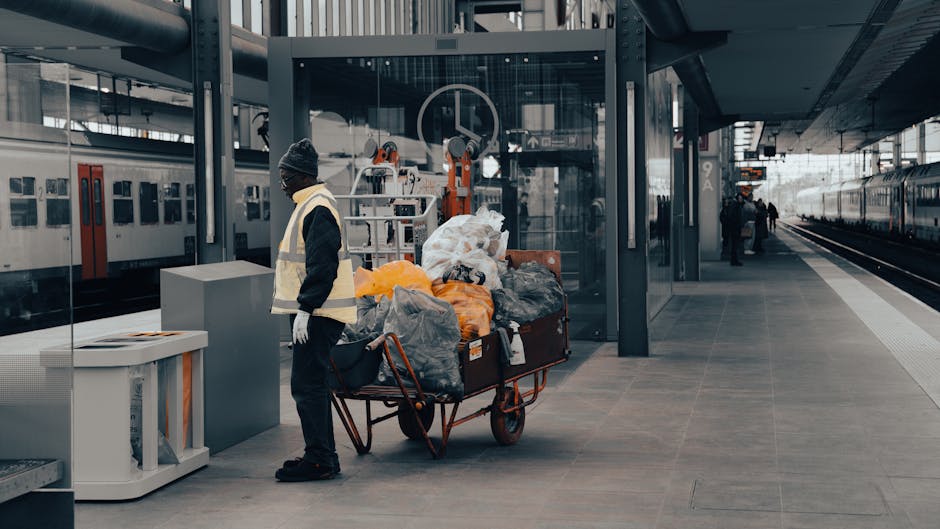
Hounslow West station emergency cleaning service in Lampton
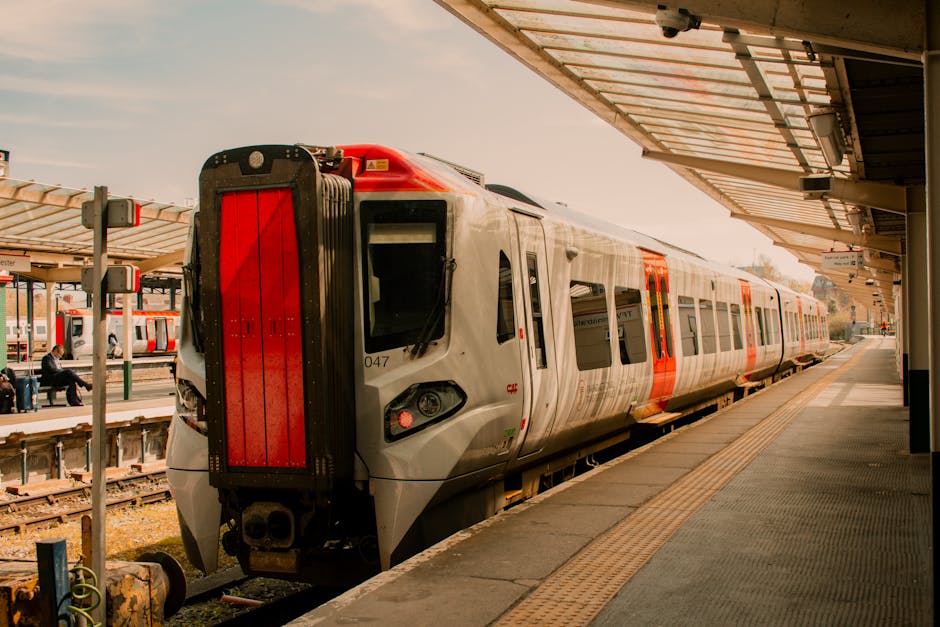
If you need a Hounslow West station emergency cleaning service in Lampton, you are usually dealing with more than a simple tidy-up. It might be a spill on a busy walkway, a sharp odour in a waiting area, a messy incident near seating, or a late-night problem that needs attention before the next rush hour. In that moment, speed matters - but so does doing the job properly.
This guide explains what emergency cleaning near Hounslow West station typically involves, why it matters, how the process usually works, and what to look for if you are choosing a local team. You will also find practical checklists, comparison points, and a few real-world pointers that can save time when things are already a bit frantic. Let's face it, emergencies rarely arrive with a neat little warning.
Why Hounslow West station emergency cleaning service in Lampton Matters
A station environment is not like cleaning a spare room at home. Footfall is constant, surfaces are shared, and any delay can make a small issue feel much bigger. A wet patch on carpet, a food spill on upholstery, or a contaminated area near entrances can become a slip hazard, a smell problem, and a reputation issue all at once.
That is why emergency cleaning matters so much in and around Hounslow West. A swift response helps protect passengers, staff, visitors, and anyone passing through Lampton. It also reduces the chance of stains setting into carpet fibres, upholstery, or rugs, which can make later recovery harder and more expensive. In busy places, the first hour often decides the outcome.
There is also the practical side. Station-adjacent premises often need to return to normal quickly. A waiting area, office, retail unit, managed property, or transport-linked space cannot always be taken out of use for long. Emergency cleaning is really about getting the area safe, presentable, and usable again without fuss.
Expert summary: Emergency cleaning is not just about appearances. It is about fast containment, safe access, odour control, and preventing a temporary mess from turning into a longer operational problem.
For local businesses and property managers, it also helps to know that a professional team should understand both domestic and commercial pressures. If you need broader fabric care afterwards, services such as carpet cleaning, upholstery cleaning, or stain removal can often be planned once the urgent risk has been dealt with.
How Hounslow West station emergency cleaning service in Lampton Works
Most emergency cleaning jobs follow a simple pattern, even if the scene itself is messy. First comes assessment. Then containment. Then cleaning, sanitising, drying, and a final check. That sounds straightforward, and in principle it is. The tricky part is choosing the right method for the material and the type of incident.
A good response usually starts with a quick understanding of the problem:
- What happened?
- How large is the affected area?
- Is the surface carpet, hard flooring, fabric seating, or a mixed environment?
- Is there a slip risk, odour, or visible contamination?
- Has the area already been walked through?
From there, the cleaner decides what equipment and products are appropriate. For example, a beverage spill on carpet might need fast liquid extraction and steam carpet cleaning later, while a sticky food mess on fabric may call for targeted spot treatment and gentle agitation. A biological incident, by contrast, needs much stricter handling and care.
You may also notice that emergency work is often as much about damage limitation as deep cleaning. If moisture is sitting in carpet underlay, the aim is to remove it early, reduce odour, and stop wicking or staining from reappearing later. A rushed wipe with the wrong product can spread the problem. That happens more often than people think.
Where the issue affects soft furnishings, specialised services like sofa cleaning, rug cleaning, or curtain cleaning may be the sensible follow-up once the immediate pressure has passed. And if the incident has left a strong smell, pet stain odour removal can be relevant even when the cause is not actually a pet. Odour work is odour work; the source still needs proper identification.
Key Benefits and Practical Advantages
Emergency cleaning sounds simple from the outside, but the benefits are quite broad when it is done well. The obvious one is speed. The less obvious one is control. You get the mess contained before it spreads into surrounding areas or becomes embedded in porous materials.
- Faster return to normal: areas can be reopened sooner, which matters near transport routes and busy premises.
- Reduced health and safety risk: spills, residue, and contaminated patches can create trip or slip hazards.
- Better stain outcomes: early treatment often prevents permanent marking or fibre damage.
- Odour reduction: prompt extraction and neutralisation are far more effective than waiting.
- Cleaner first impression: nobody likes walking into a place that still smells faintly of "something happened here".
- Less disruption for staff: fewer awkward cordons, fewer complaints, and less frustration all round.
There is also a cost benefit, although it should be described carefully. We cannot promise savings without seeing the job, but prompt action often reduces the extent of remedial work. A small emergency clean today can be less expensive than replacing sections of carpet or dealing with a lingering contamination issue later.
For landlords, managing agents, and commercial occupiers, professional response also supports consistency. If one area is cleaned quickly and another is ignored, the whole site can feel poorly managed. In practical terms, that sort of inconsistency tends to annoy people. Understandably.
Who This Is For and When It Makes Sense
This type of service is useful for a wide range of people near Hounslow West station and throughout Lampton. The common thread is urgency. If the problem cannot wait for a normal scheduled clean, emergency cleaning is probably the right direction.
Typical users include:
- Station-adjacent businesses with public-facing floors or seating
- Property managers dealing with unexpected damage in communal areas
- Office teams who need a safe, presentable workspace restored quickly
- Retail and hospitality sites with customer-facing fabrics or carpets
- Households near the station who need same-day help after a spill or accident
- Facilities teams handling out-of-hours or early-morning incidents
It makes sense when the issue is active, visible, smelly, or unsafe. It also makes sense when the material involved is valuable and you would rather not guess your way through it with a cloth and optimism. That never ends brilliantly, does it?
If the problem is more routine than urgent, a planned clean may be better. For example, a dull carpet with no active spill might be better handled through standard commercial carpet cleaning or a broader upholstery refresh. Emergency services are best reserved for things that need immediate attention.
Step-by-Step Guidance
If you are handling an incident before the cleaners arrive, the safest approach is to keep it simple. The goal is not to fully fix the problem yourself. The goal is to stop it getting worse.
- Keep people away from the affected area. Put space around the spill or contamination point if you can do so safely.
- Do not scrub aggressively. Rubbing usually drives the problem deeper into fibres. Gentle blotting is normally better.
- Remove what you can without spreading residue. For solids, use disposable materials and avoid pushing debris across the surface.
- Note the surface type. Carpet, vinyl, upholstery, wool, synthetic pile - each one behaves differently.
- Record the time and cause. This helps the cleaner choose the right method quickly.
- Provide access and ventilation where possible. A clear route and some airflow make a real difference.
- Ask for the right follow-up treatment. Sometimes spot cleaning is enough; sometimes a deeper process is needed.
Once the team arrives, a professional process usually looks like this:
- Initial inspection and risk check
- Selection of suitable products and tools
- Controlled pre-treatment of the affected area
- Extraction, agitation, or stain breakdown as appropriate
- Sanitising or deodorising where needed
- Drying support and final inspection
After the clean, ask what the surface should look or feel like over the next few hours. Sometimes a slight texture change, mild scent of cleaning product, or temporary dampness is normal. Knowing what to expect prevents unnecessary worry. A little clarity goes a long way.
Expert Tips for Better Results
Good emergency cleaning is often won before the equipment even turns on. The best outcomes usually come from calm assessment and a bit of patience, which is not easy when everyone is looking at a stain like it has personally offended them.
- Act quickly, but not recklessly. Faster is better, but only if the method is suitable.
- Keep the incident details simple and clear. "Coffee spill on nylon carpet at the entrance" is far more useful than "it was a bit of a mess".
- Test for colourfastness when needed. On delicate fabrics, a wrong product can leave more damage than the original spill.
- Think in layers. Surface cleaning is only step one if liquid has soaked into the pile or underlay.
- Manage drying carefully. Damp fabric left too long can encourage odour and repeat marking.
- Plan the follow-up clean. Sometimes the emergency job solves the immediate issue, but a later full clean is still wise.
One practical observation: corners, edges, and seams often hold more residue than the obvious centre of a spill. People wipe the middle first. Fair enough. But the edges are where stains quietly linger. That is where experienced cleaners tend to focus.
If you manage public spaces or guest areas, it is also worth keeping a basic incident note. Not a novel. Just a short record of what happened, when, and what was done. It helps with continuity, and it means the next person is not starting from zero.
Common Mistakes to Avoid
Some mistakes are harmless. Others turn a manageable cleanup into a stubborn restoration job. Here are the ones that come up again and again.
- Scrubbing too hard: this pushes soil deeper and can roughen fibres.
- Using random household chemicals: they may bleach, fix, or spread the stain in unpredictable ways.
- Ignoring the smell: odour often signals that moisture or residue remains below the surface.
- Waiting too long: the longer a spill sits, the harder it usually is to remove.
- Over-wetting the material: excess water can cause wicking, shrinkage, or longer drying times.
- Forgetting surrounding areas: contamination can travel beyond the most obvious patch.
A smaller but common error is assuming all stains behave the same. They do not. Food, drink, grease, soil, urine, disinfectant residue, and general grime all respond differently. That is why a one-size-fits-all approach is a bit of a trap. Sometimes it works. Often it just creates more work later.
If you are arranging professional help, ask what methods will be used on your surface type. A good provider should explain the process clearly, without overcomplicating it.
Tools, Resources and Recommendations
You do not need a cupboard full of specialist products to handle an incident well. In fact, using fewer, better-chosen tools is usually safer. For many situations, the key resources are practical rather than fancy.
| Need | Useful approach | Why it helps |
|---|---|---|
| Immediate spill control | Clean absorbent cloths or paper and a gentle blotting method | Reduces spread without grinding the mark in |
| Odour concern | Prompt extraction plus targeted deodorising | Addresses the source rather than masking it |
| Fabric or carpet damage risk | Professional assessment before treatment | Prevents colour loss, pile distortion, or fibre damage |
| Commercial setting | Out-of-hours or low-disruption cleaning plan | Keeps operations running smoothly |
For ongoing care, it can help to review services like mattress cleaning if the incident affected bedding or sleep areas, or sofa cleaning if the mess reached waiting-room seating. A station-adjacent setting often has mixed materials, so the best recommendation is the one that matches the actual surface, not just the location.
It is also sensible to keep a simple emergency contact plan. Not a huge folder. Just a short list of who to call, what access is needed, and where the main risk points are. That small bit of prep can shave off valuable minutes when things go sideways on a wet Tuesday morning.
Law, Compliance, Standards, or Best Practice
Emergency cleaning in a public or commercial setting should always be handled with health and safety in mind. In the UK, the exact obligations depend on the site, the nature of the incident, and who is responsible for the premises. Because of that, it is better to speak in terms of good practice rather than pretend there is one universal script.
At a practical level, good standards usually include:
- Reducing slip and trip risk as quickly as possible
- Using suitable cleaning products for the material involved
- Protecting workers and the public from avoidable exposure
- Following safe manual handling and access procedures
- Keeping records where incident follow-up matters
For businesses and managed premises, it is sensible to work with a provider that can speak clearly about safety, insurance, and process. You can review the company's own health and safety policy and insurance and safety information if you want reassurance before booking. That is not overcautious. It is just sensible.
Where payment or booking is involved, transparency also matters. Clear terms, safe payment handling, and straightforward quotes reduce misunderstandings. If you are comparing options, the pages on pricing and quotes and payment and security are useful places to start. For service conditions, the terms and conditions are worth a look too, even if nobody reads them with enthusiasm.
Environmental practice may matter as well, especially where water use, product choice, or waste disposal is part of the job. If that matters to you, the company's recycling and sustainability page gives a clearer sense of its approach.
Options, Methods, or Comparison Table
Not every cleaning issue needs the same response. Sometimes a light intervention is enough. Sometimes you need a deeper fabric treatment. And sometimes the job is more about protecting the area until a fuller clean can happen. Here is a simple comparison.
| Method | Best for | Strengths | Limitations |
|---|---|---|---|
| Spot treatment | Small, fresh marks on fabric or carpet | Quick, targeted, low disruption | May not handle deep contamination |
| Extraction cleaning | Liquid spills and residue in fibres | Removes moisture and dissolved soil | Can require drying time |
| Steam carpet cleaning | Embedded grime, older staining, larger carpet areas | Good deep-clean effect | Not always the fastest option for an active emergency |
| Upholstery treatment | Seating, benches, soft furnishings | Protects appearance and comfort | Fabric type must be checked carefully |
If the issue is mainly surface-level and fresh, spot treatment may do the job. If it has soaked in or left a smell, extraction and drying become much more important. For larger or more stubborn problems, a planned clean after the emergency response is often the best route. Simple as that, really.
Case Study or Real-World Example
Imagine a weekday evening near Hounslow West station. A drink is knocked over in a shared waiting area, and the liquid runs into a carpeted edge near seating. People keep walking through, because people always do, and within minutes the area looks worse than the original spill. There is a dull patch, a sticky feel underfoot, and that sour smell that appears when sugar and moisture linger.
The sensible response is not to drown the carpet or start scrubbing with the nearest cleaning spray. First, restrict access. Then blot what can be safely removed. After that, a cleaner would inspect whether the spill has reached underlay or just the top fibres. If it is limited, extraction and targeted stain treatment may be enough. If the smell remains, a deeper clean is needed, followed by controlled drying.
What matters in that scenario is not just making the carpet look tidy. It is making sure the area is safe to walk on, comfortable to use, and not likely to show the stain again an hour later. That is the hidden problem with many emergency jobs: they seem finished too early. Then the mark returns. Annoying, but common.
In a different situation, say a fabric bench in a nearby commercial space picks up a food spill and a faint odour, the response would be similar in principle but different in method. Upholstery may need gentler handling, a lower-moisture approach, and more careful drying. A team used to upholstery cleaning and stain removal is better placed to judge that balance.
Practical Checklist
Use this quick checklist when an emergency clean is needed near Hounslow West station or anywhere in Lampton:
- Identify the affected surface and size of the problem
- Keep people away from the area if there is any slip risk
- Blot gently rather than scrubbing hard
- Avoid random chemicals and mixed products
- Record what happened and when
- Ask whether the issue is surface-only or deeper in the fibres
- Check whether odour, staining, or dampness remains after initial cleanup
- Confirm drying expectations before reopening the area
- Plan any follow-up cleaning needed for carpets, rugs, or upholstery
- Review provider details such as safety, terms, and pricing before booking
If you are arranging work for a commercial site, also make sure access is clear, keys or entry codes are ready, and the right person is available to approve the job. That avoids those awkward five-minute delays that somehow become twenty. Happens all the time.
Get a free quote today and see how much you can save.
Conclusion
A Hounslow West station emergency cleaning service in Lampton is about fast, careful, and sensible action when time is tight and the stakes are higher than usual. Whether the issue is a spill, contamination, lingering smell, or a fabric surface that needs immediate attention, the right response protects people first and the property second. The order matters.
If you remember only one thing, make it this: do the minimum necessary immediately, then get the right professional help for the rest. That approach tends to save time, reduce damage, and keep everyone calmer. Not glamorous, but effective.
And if the problem feels messy right now, that is okay. Most emergencies do. What matters is getting a clear plan in place and moving one step at a time. That usually gets you back to normal sooner than you think.
Frequently Asked Questions
What counts as an emergency cleaning job near Hounslow West station?
An emergency cleaning job is any spill, contamination, odour, or surface issue that needs immediate attention because it creates a safety risk, disruption, or a fast-forming stain. In a station-adjacent setting, that often means something people may walk through, sit on, or smell straight away.
How quickly should emergency cleaning happen?
As quickly as possible. The first few minutes matter most for preventing spread, staining, and slip hazards. If you cannot clean it properly right away, isolating the area and reducing traffic through it is the next best move.
Can I clean a carpet spill myself before help arrives?
Yes, but only in a limited way. Gentle blotting and basic containment are usually fine. Strong scrubbing, soaking the area, or using random chemicals is where trouble starts. If you are unsure, keep it simple and wait for a professional.
Is emergency cleaning different from regular carpet cleaning?
Yes. Emergency cleaning is about immediate control, safety, and damage limitation. Regular cleaning is more planned and usually focuses on general maintenance, appearance, and deeper refresh work. They often complement each other.
What surfaces can emergency cleaners usually handle?
Common surfaces include carpet, upholstery, rugs, curtains, and some hard floors. The exact method depends on the material, the contamination type, and how long the issue has been present.
Will emergency cleaning remove all stains?
Not always. Some marks are very stubborn, especially if they have dried, reacted with the fabric, or been treated with the wrong product already. A good cleaner should explain what is likely, what is uncertain, and whether follow-up treatment may help.
How do I reduce odour after a spill or incident?
Act quickly, remove excess moisture, and make sure the source is properly treated rather than masked. Odour often means residue has soaked deeper than the top layer, so surface wiping alone may not solve it.
Do I need special cleaning for commercial or public areas?
Usually yes, especially where there is frequent foot traffic or public access. Commercial spaces often need faster turnaround, safer access control, and a cleaner that understands fabrics, drying time, and disruption management.
What should I ask before booking a cleaner?
Ask what method they plan to use, whether the treatment is suitable for your surface, how long drying may take, and whether they can explain pricing clearly. If the issue is safety-related, it is also sensible to check their health and safety approach and insurance information.
Can upholstery be cleaned after an emergency spill?
Yes, and often it should be. Upholstery absorbs liquid and odour quickly, so prompt treatment helps. If the fabric is delicate, a gentler cleaning method may be needed to avoid shrinking, marking, or texture change.
What if the stain comes back after cleaning?
This can happen if moisture remained in the backing, underlay, or deeper fabric layers. It is one reason professionals often focus on extraction and drying, not just the visible top layer. A return mark does not always mean the first clean failed, but it does mean follow-up may be needed.
How do I choose a trustworthy local provider?
Look for clear service explanations, sensible pricing, transparent terms, safety details, and a practical approach to the specific problem. A trustworthy provider should sound calm, not theatrical. If everything is described in a vague rush, that is usually not a great sign.
Where can I learn more about service standards and company policies?
Useful starting points include the company's about us page, along with its policies on safety, insurance, payments, and privacy. Those details help build confidence before you make a booking.